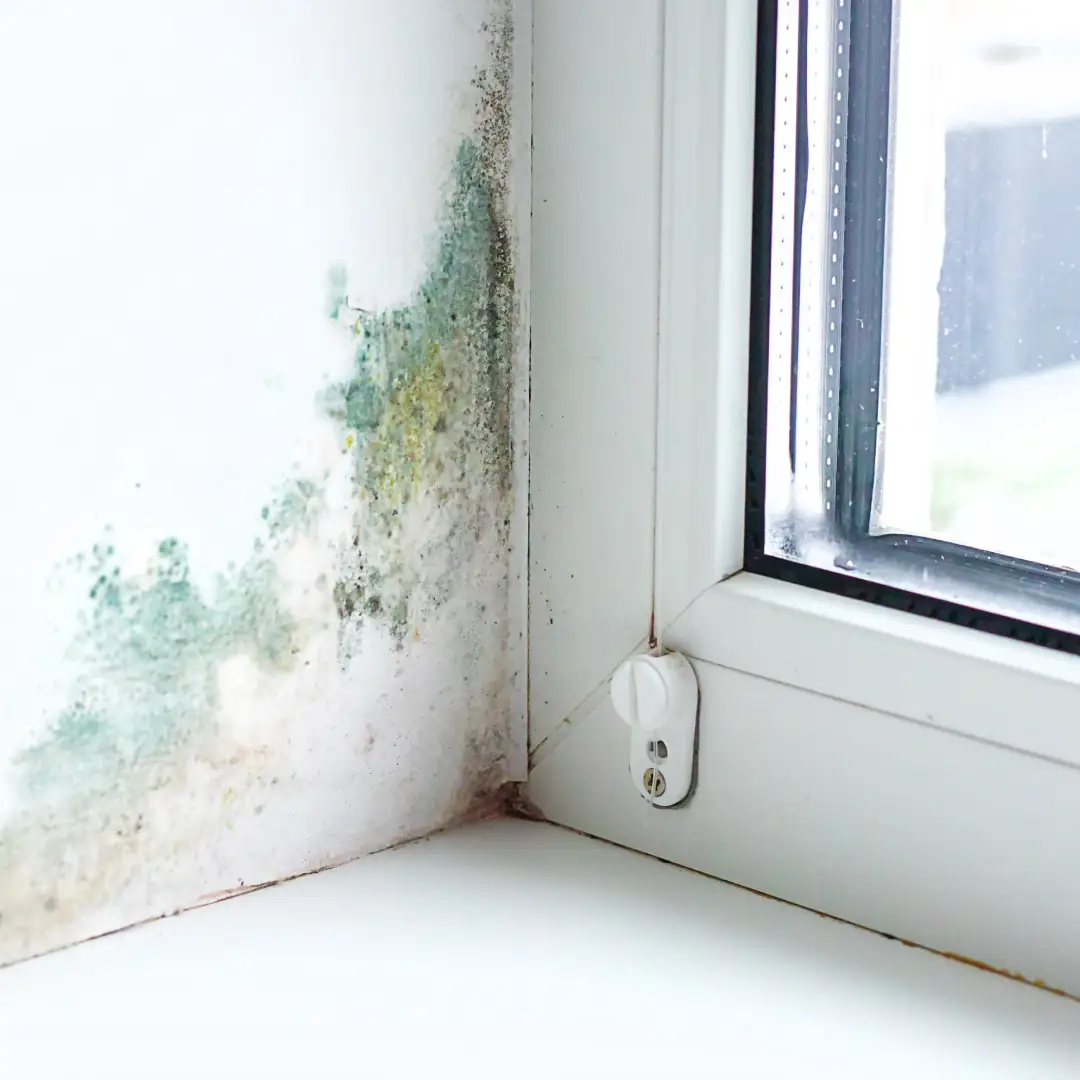
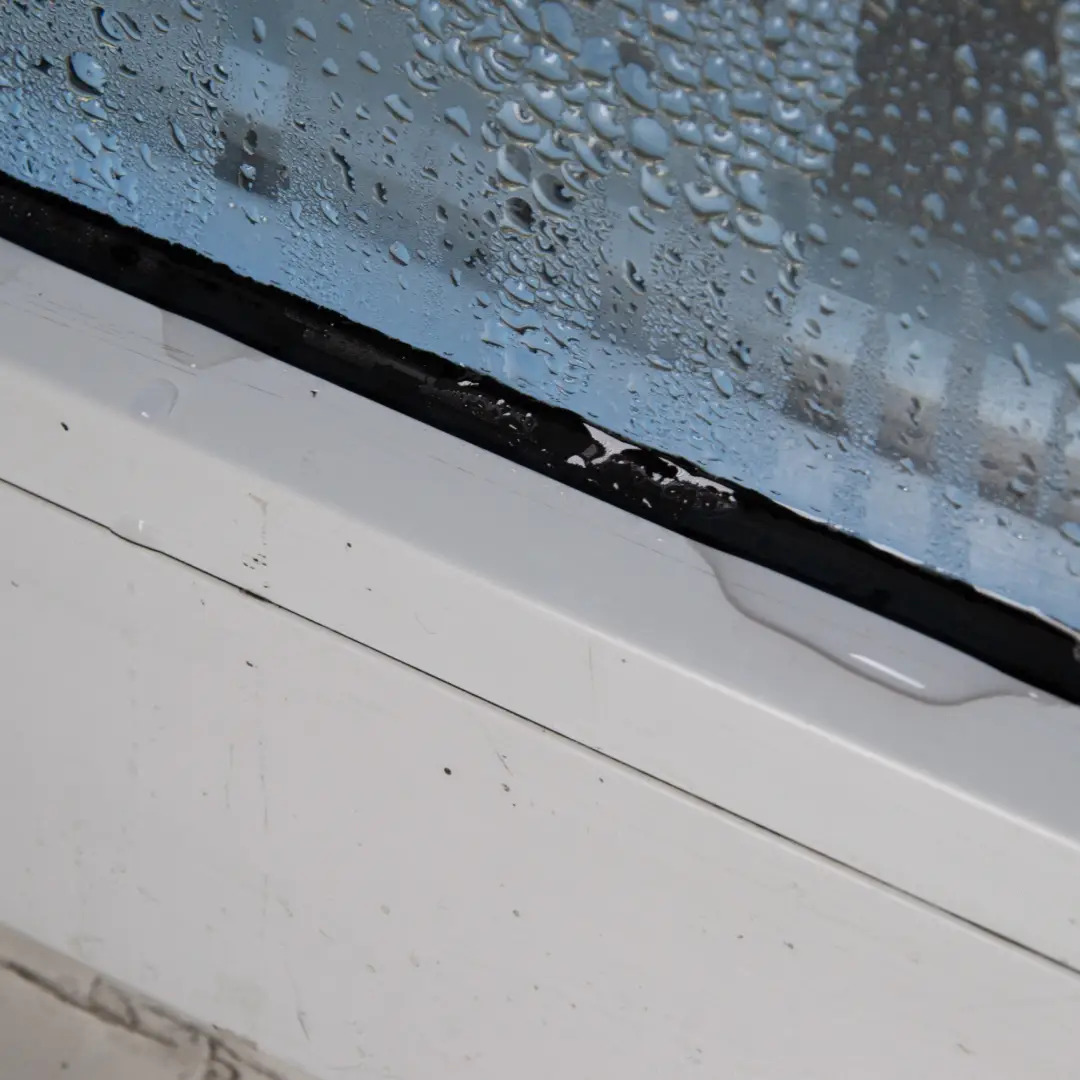
If you’ve resealed your windows and water is still getting inside, the problem is likely your external cladding — not the window frames.
Older cladding systems commonly fail over time. Gaps open at joins, flashings deteriorate, sealants break down, and small cracks allow water to penetrate behind the surface. Once moisture enters the wall cavity, it can travel internally and show up far from the actual entry point.
Common Signs of Cladding Leaks:
Water stains on internal walls
Damp plaster or bubbling paint
Musty smells or mould growth
Leaks during heavy rain
Swelling skirting boards or window trims
If this sounds familiar, the issue needs proper investigation — not just another round of silicone.
Why Acting Early Matters ?
Water ingress can lead to:
Timber rot
Structural damage
Mould growth
Insulation deterioration
Expensive internal repairs
Expensive internal repairs
The sooner the source is identified, the easier and more affordable the fix.
Our Cladding Leak Repair Process
We focus on finding the source, not masking the symptom.
Detailed Leak Inspection We assess cladding joints, penetrations, flashings, window perimeters, and drainage paths.
Moisture Testing Where required, we test affected areas to understand the extent of water ingress.
Targeted Repairs We repair failed joints, reseal penetrations, replace flashings if needed, and address defective sections of cladding.
Professional Waterproofing Application High-performance sealants and membranes are applied to create a long-term barrier against moisture.
Stop the Leak at its Source
If you’re 95% sure your old cladding is letting water in — you’re probably right. Let’s confirm it properly and fix it for good.
Contact us today for a professional cladding leak inspection and waterproofing solution.